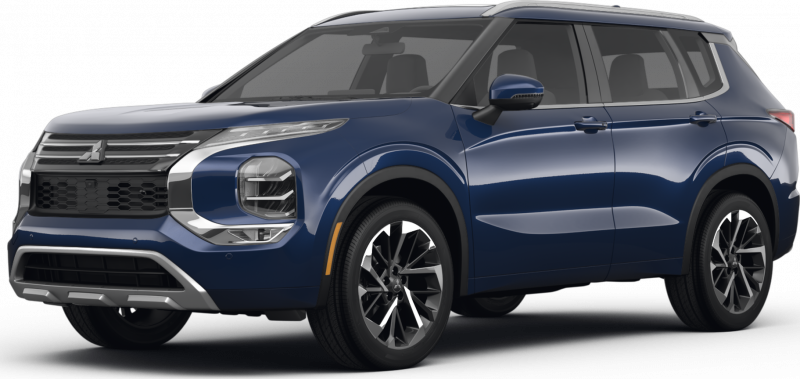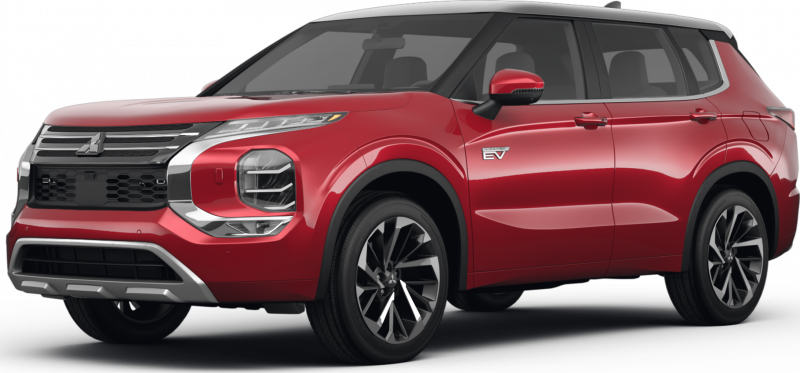
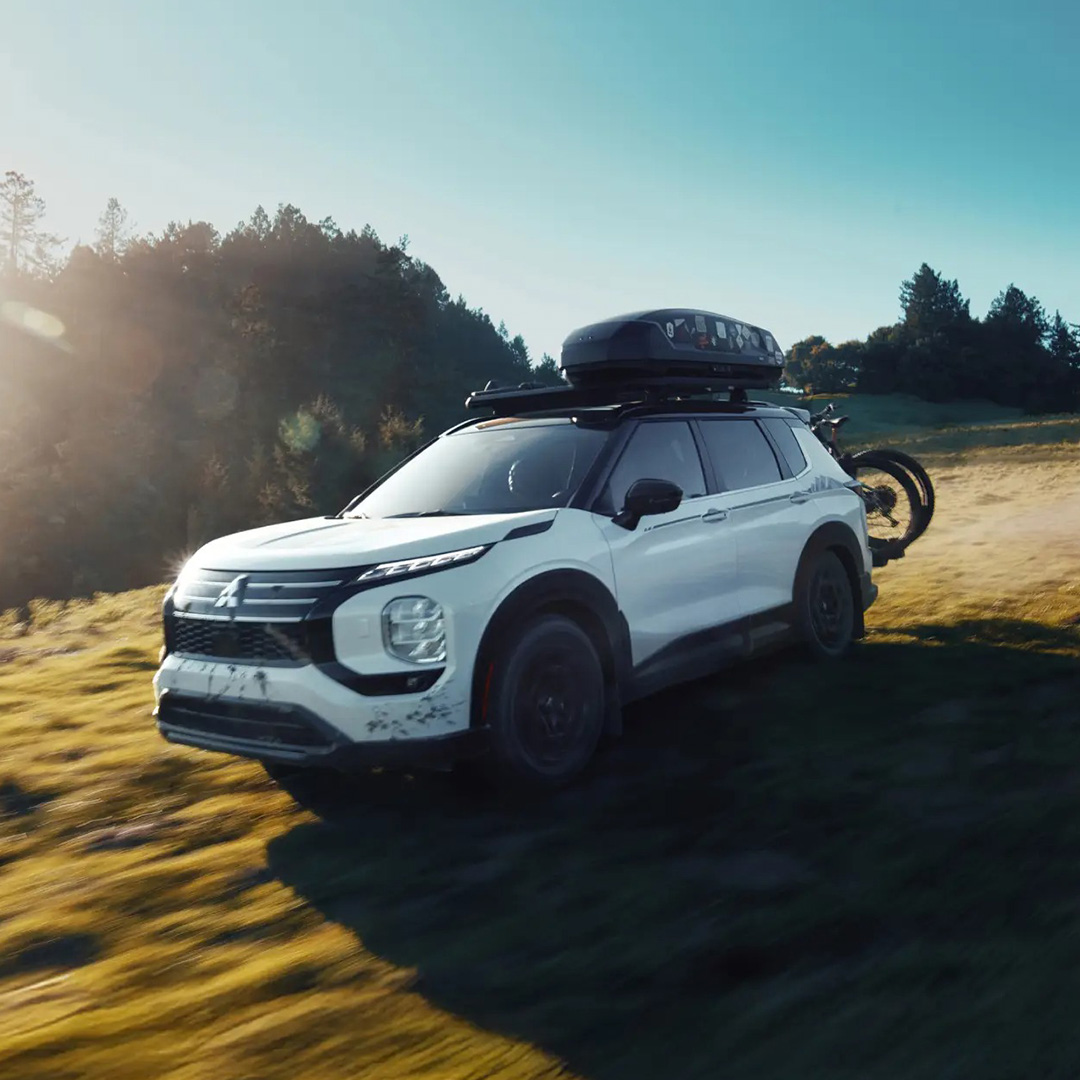
Comparing the 2026 Mitsubishi Outlander PHEV to the Tesla Model Y comes down to one key question: how far can each vehicle take you on the energy it carries. Shoppers weighing an EV vs PHEV range comparison can expect the Model Y to excel in long battery-only mileage while the Outlander PHEV provides a flexible mix of electric commuting and gasoline-supported total range for longer trips. Together, they highlight two different paths to efficient SUV driving that can suit different lifestyles, budgets, and daily use cases.
Universal Mitsubishi is proud to help local drivers make sense of emerging electrified SUV options. Our team is ready to assist with sales, service, parts, and everything you need to feel confident behind the wheel. Contact us or visit us today to speak with a product specialist who can help guide your decision.
What Makes Range Such an Important Comparison for Today’s SUV Drivers?
Range plays a key role in how people use modern SUVs. It helps drivers plan trips, keep costs in check, and cut stress on long drives. In a 2026 Mitsubishi Outlander PHEV vs Tesla Model Y range guide, range is the link between real life and tech.
Drivers today care about range for a few clear reasons:
- They want to know how far they can go on one charge or tank • They want fewer stops and less wait time • They want to plan trips with ease • They want to spend less on fuel or power
Many drivers use their SUV for school runs, work trips, and road trips. A reliable range rating helps with all three. It also impacts how well the SUV fits into life in busy areas with traffic and short trips. The Outlander PHEV shows how a plug-in hybrid can work for both short and long drives. It can run in EV mode for short trips then rely on gas for long ones. A full EV like the Model Y leans on a big battery for all use cases. Both paths help cut fuel use and tailpipe emissions, but each has tradeoffs that matter when you shop.
How Does a Plug-In Hybrid Compare to an All-Electric SUV in Real-World Use?
A plug-in hybrid blends two power sources. It can use its battery for short trips and its gas tank for long trips. This mix makes it easy to drive in many settings with low stress. A full EV uses a large battery for all trips. This gives smooth power and quiet use. Drivers will plan around charge spots and charge time more than fuel stops.
Key traits for each set-up include:
- Plug-in hybrid: battery for short trips, gas for long trips • Full EV: battery for all trips • Fuel stops vs charge stops • Charge time vs fill time • Home charge vs public charge use
In an Outlander PHEV vs Model Y electric range match-up, each path has strengths. The Outlander PHEV gives peace of mind for long drives since gas can back up the battery. A full EV like the Model Y gives strong range with no gas at all.
Many buyers look at real-world use. Daily use can look like this:
- Work trips
- School runs
- Store trips
- High speed roads
- Weekend trips with gear
A plug-in hybrid works well if most trips are short. The battery can handle those trips and gas will not run much. A full EV works well if charge spots are easy to reach and most trips fall within its range. Both paths help cut fuel use and tailpipe emissions. The main point is how each fits into your life.
What Are the 2026 Mitsubishi Outlander PHEV’s Key Electric and Hybrid Range Specs?
The Outlander PHEV gives drivers two forms of range. It can run on its battery for short trips, then switch to its gas engine for longer travel. This makes range feel simple and stress free for many types of drives. This setup fits well in a hybrid vs all-electric SUV range match-up. A full EV will rely on charge spots for every trip. A plug-in hybrid can use home charge for most trips, then tap fuel as a backup on long days.
Key range traits include:
- EV range for short trips • Gas engine for long trips • Total range that can far exceed the EV range • Low fuel use for most weeks if trips are short
Drivers who use home charge can go days, or even weeks, with no fuel use. Short trips to work or school are where the battery pays off most. This setup also works well for weekend road trips since fuel is easy to find on the road. A plug-in hybrid like the Outlander PHEV gives buyers more room to adapt. It is a strong fit for drivers not yet ready to rely on public charge spots for all travel.
How Does the 2026 Tesla Model Y Deliver Its Long-Range Capabilities?
The Model Y uses a large battery, smart heat control, and smooth aero design to reach long drive range. This pure EV setup gives a long span of miles with no need to stop for fuel. Charge time and charge spots then become the key parts of trip plan work. In an EV vs PHEV range comparison 2026, the Model Y shows the upside of going full electric. It has one power source, one set of drive parts, and a charge plan that can be done at home. A plug-in hybrid like the Outlander PHEV leans on two power sources instead, which can add peace of mind for long road trips.
Key tech traits that help the Model Y reach long range include:
- Large battery pack with high energy • Low drag body that cuts air push at high speeds • Heat pumps to help the battery in cold weather • Smart power flow to the motors • Brake regen that puts power back into the pack
Daily life with a full EV can be simple if home charge is used. Drivers can wake each day with a full pack. On long trips, fast charge spots can add a large chunk of range in a short time. This makes long travel do-able as long as charge spots are set on the route.
Which SUV Provides the Better Range for Daily Commuting?
Daily trips are short, stop and go, and often less than ten miles each way. Range needs for this type of drive are small, but they are also very steady. This makes short EV trips a big win for both types of SUVs. In a Mitsubishi vs Tesla range comparison for day to day drives, both paths work well. A full EV can cover the full trip on one charge with no fuel at all. A plug-in hybrid like the Outlander PHEV can also cover the full trip on its battery, then save fuel for long drives.
Daily range traits often look like this:
- Short trips • Low speeds • High traffic • More start and stop • Easy access to home charge
Short trips are also where quiet EV drive shines. Drivers can use home charge at night and wake with a full pack. A plug-in hybrid adds more peace of mind for days when the plan shifts and a long trip pops up with no time to charge. For most daily drives, both paths can keep fuel use low. The choice comes down to how often long trips take place and how easy it is to add charge at home or at work.
Which SUV Provides the Better Range for Highway and Extended Road Trips?
Long drives on wide open roads test range in a way that city trips do not. High speeds use more power, hills add load, and cold or heat can shift range. This makes trip plan work more key for full EVs. In a 2026 Mitsubishi Outlander PHEV vs Tesla Model Y range guide match-up, both can cover long trips, but they do it in different ways. A full EV uses fast charge spots on the route. A plug-in hybrid like the Outlander PHEV can use fuel stops that are found in almost all towns.
Key long trip traits include:
- High speed use • Less stop and go • More aero drag • More heat or A/C use • Charge or fuel access
High speed use is where a plug-in hybrid can shine. Once the battery is low, the gas engine will keep the trip going with no need to wait. Fuel stops are quick, and most towns have more than one. A full EV can cover long trips as long as fast charge spots are on the route. Many highways now have these spots in place. A short charge stop can add a big chunk of range and get you back on the road. Both paths work for long trips. The main split is how you want to plan the trip. Drivers who want the least plan work may like the plug-in hybrid path more. Drivers who want zero fuel use can pick the full EV path if they are fine with charge stops.
How Do Charging and Refueling Options Impact Real Ownership?
Charge and fuel access shape how an SUV fits into real life. Time, cost, and stress all play a part. A full EV leans on charge spots while a plug-in hybrid uses both charge and fuel to stay on the move. In an Outlander PHEV vs Model Y electric range match-up, real use often comes down to where you live and how you drive. Home charge can make both paths easy, but long trips may feel more smooth in a plug-in hybrid like the Outlander PHEV since gas is in reach in most towns.
Key parts of charge and fuel use include:
- Home charge access • Charge time • Fuel stop time • Public charge spots • Cost per mile to run
Home charge gives full EVs a big win. Drivers can plug in at night and wake with a full pack. A plug-in hybrid can also use home charge to cut fuel use on short trips. Public charge spots are more common each year, yet they may not be in all towns or rural areas. Fuel stops are found in most towns, so long trips are easy for plug-in hybrids even if home charge is not used. Cost also plays a part in real life use. Charge at home can cost less per mile than fuel. Fuel costs can rise or fall with the market. Each path has tradeoffs that buyers should weigh as they plan for life with their next SUV.
How Do Weather, Terrain, and Driving Conditions Affect Range?
Range is not the same in all settings. Heat, cold, hills, and wind can shift how far an SUV can go on one charge or tank. This applies to both full EVs and plug-in hybrids. In a hybrid vs all-electric SUV range match-up, a plug-in hybrid like the Outlander PHEV has more room to adapt in harsh conditions. If the battery drops fast in cold or on hills, the gas engine can step in. A full EV must plan around charge spots and charge time when range drops in tough weather.
Common range factors include:
- Heat or cold • Hills or steep climbs • High speed use • Strong wind • Heavy load or gear • A/C or heat use
Cold can slow battery work and cut range. Heat can lead to more A/C use which also cuts range. Hills can pull more power from the pack since climbs need more torque. Fuel use in a plug-in hybrid can rise in cold or on hills, but range will not drop as fast as in a full EV. This makes life easier for long trips in harsh terrain. Full EVs can still make the trip if charge spots are on the route and charge plans are in place.
Which SUV Is More Convenient for Mixed-Use Driving Lifestyles?
Mixed-use driving blends short city runs with long trips on wide roads. Many drivers also mix work trips, school runs, and weekend travel. Range needs shift by the day, and plans can change fast. In an EV vs PHEV range comparison 2026, a plug-in hybrid like the Outlander PHEV can fit this type of life with less plan work. Short trips can run on the battery. Long trips can use fuel with no need to wait for charge spots. A full EV can still work well if home charge is easy to reach and long routes have fast charge spots.
Mixed-use traits often look like this:
- Work trips in the city • School runs • Store trips • High speed roads • Weekend travel with gear • Trips to new towns
A plug-in hybrid is strong in this space since it adapts to the day. If you need range fast, you stop for fuel. If trips are short, you use the battery all week. A full EV can also fit if your routes are known and charge spots are in play. Both paths can work. The key point is how much you want to plan each trip. Drivers who want less plan work may lean toward the plug-in hybrid path. Drivers who want no fuel use may lean toward a full EV if they can set up home charge.
How Do Warranty and Long-Term Ownership Considerations Factor Into Range?
Range is not only about the day to day drive. It also ties into how the SUV will age and how well its parts will hold up. Batteries, motors, gas parts, and charge parts all have a role in long-term use. In a Mitsubishi vs Tesla range comparison, both paths seek to give peace of mind over many years of use. A plug-in hybrid like the Outlander PHEV has both a battery pack and a gas drive system, so owners get two paths to stay on the road. A full EV has a larger battery pack that takes on all drive needs, so battery health is key.
Long-term factors to weigh include:
- Battery health • Fuel system health • Charge use habits • Heat and cold cycles • Drive style • Mileage per year
Batteries can lose some of their max charge over time. Heat and cold can speed up this loss. Good charge habits and smart use can slow it down. Plug-in hybrids can also shift some drive work to the gas engine, which can ease battery load on long trips. Warranty terms help set the stage for long-term use. Strong battery and powertrain coverage can help with peace of mind if you plan to keep the SUV for many years. Fuel parts in a plug-in hybrid can also last longer if most trips are short and run on the battery. A full EV has fewer moving parts, which can help cut long-term service needs.
Which SUV Delivers the Range Advantage in 2026?
Range strength comes down to how you plan to use your SUV. Some drivers want zero fuel use. Some want the least plan work and more room to adapt. Others need both in one package. In a 2026 Mitsubishi Outlander PHEV vs Tesla Model Y range guide match-up, both can claim a win, but the win shifts by lifestyle. A full EV is strong for long battery-only drives. A plug-in hybrid like the Outlander PHEV shines for mixed-use or long trips with no wait time.
Key takeaways include:
- Full EV: best for zero fuel use and strong range per charge • Plug-in hybrid: best for fast refuel and long trips with less plan work • Both: strong for short daily trips with home charge use
If you make short trips each day and have home charge, a full EV can be a great fit. If long trips are part of your life or if you want less plan work, a plug-in hybrid can feel more easy to live with. There is no single path that fits all drivers. The real range advantage goes to the SUV that fits your trips, charge access, and day to day life.
Frequently Asked Range Questions for 2026 Electrified SUVs
Drivers often want fast and clear answers when comparing electrified SUVs. The questions below help clarify how range works in daily life and on long trips.
How does the electric-only range of the 2026 Mitsubishi Outlander PHEV compare to the Tesla Model Y?
The Model Y offers a significantly longer electric-only range. The Outlander PHEV offers enough electric range for short city trips, then uses its gas engine for longer travel.
What is the total combined range (electric + gas) of the Outlander PHEV versus the Model Y’s all-electric range?
The Outlander PHEV can achieve a higher total combined range due to its gas backup. The Model Y relies solely on its battery pack and charging network for long-range travel.
How do real-world conditions (cold weather, hills) affect range for both vehicles?
Cold weather and steep terrain reduce electric range for both vehicles. The Outlander PHEV can engage its gas engine to continue the drive when range drops, while the Model Y must rely on charging.
Which vehicle requires fewer charging or refueling stops on long trips?
The Outlander PHEV usually requires fewer stops due to widely available gas stations. The Model Y may require planned charging stops depending on the route.
How do charging times and fueling convenience factor into overall range usability?
Fueling takes only minutes and is available in almost all towns. Fast charging can add significant range to the Model Y but requires access to compatible stations and takes more time. These answers help drivers understand how each SUV fits different driving styles and range needs. For more personalized guidance, mixed-use lifestyles and trip planning habits can shift the ideal choice.
Which Drivers Should Consider Each SUV Moving Forward?
Range needs can shift from day to day. A full EV is best for drivers who want zero fuel use and have easy charge access. A plug-in hybrid is best for drivers who mix short trips with long trips and want less plan work on the road. Universal Mitsubishi is here to help with real, in-person guidance. Our team supports shoppers from Van Nuys, Granada Hills, Hollywood Hills, and Culver City who want to test drive and compare electrified SUVs, including the Outlander PHEV. We are ready to help with sales, service, parts, and more. Call us or visit us to speak with a member of our team today. Drivers who want to learn more about our new models can keep reading. You can dive into key features with the link to Eclipse Cross features or see what is new with 2026 Outlander guide or compare plug-in hybrids with Outlander vs RAV4.
Get Directions to Universal Mitsubishi
Disclaimer: All information is provided for general informational and entertainment purposes only. While we strive for accuracy, we cannot guarantee that all content is complete, current, or error-free. Any reliance you place on such information is strictly at your own risk. This article may include opinions and is not endorsed by, or officially affiliated with, any vehicle manufacturer or brand. Always consult official sources – such as the vehicle’s owner’s manual, authorized dealerships, or certified professionals – for the most up-to-date and personalized information.