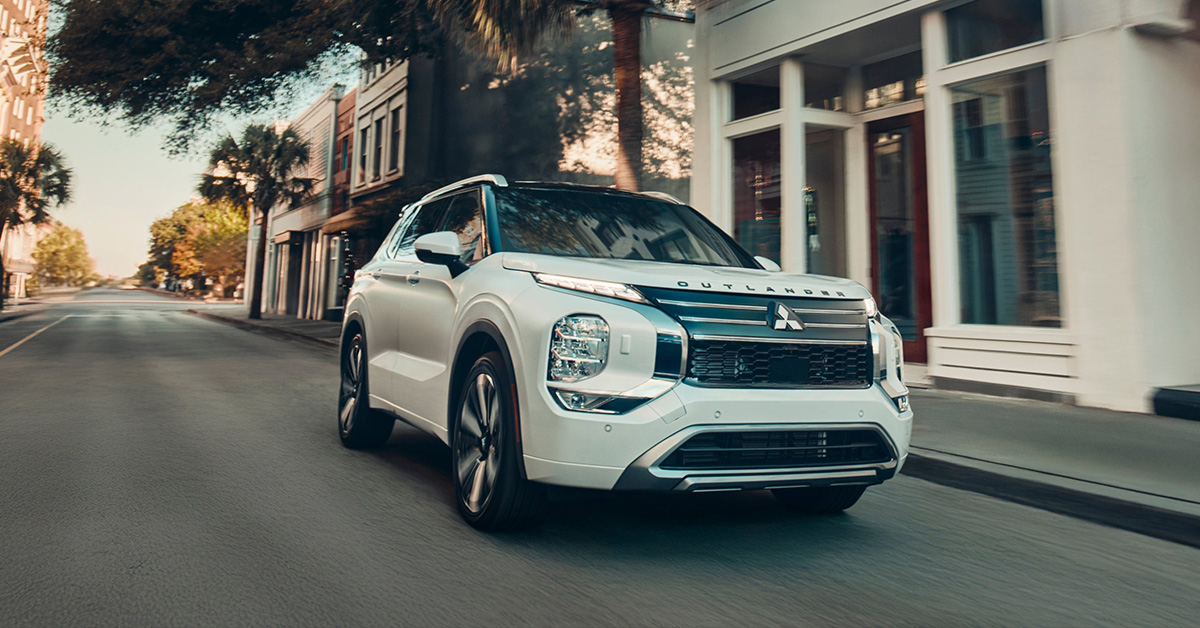
Mitsubishi Motors Momentum 2030 is a North American business plan that runs through fiscal year 2030 and is built around four key goals: electrification, an expanded vehicle lineup, a modernized retail sales model, and dealer network growth. The strategy includes a blend of internal combustion, hybrid, plug-in hybrid, and battery electric vehicles, along with plans for new or refreshed models between fiscal 2026 and fiscal 2030, helping shape the future of vehicles such as the Mitsubishi Outlander, Mitsubishi Outlander PHEV, Mitsubishi Eclipse Cross, and the evolving Mitsubishi lineup.
At Universal Mitsubishi, we're here to help with every stage of vehicle ownership, from finding the right Mitsubishi to expert service, genuine parts, and flexible financing options that fit your needs. Whether you're exploring the latest Mitsubishi models or looking for reliable automotive support, visit Universal Mitsubishi or contact our team today to learn more.
What Are the Four Main Goals of Mitsubishi's Momentum 2030 Strategy?
If you're wondering, "What is Mitsubishi's 'Momentum 2030' Strategy?", it is Mitsubishi Motors North America's long-term plan for growth through fiscal year 2030. The strategy is organized around four major priorities that guide how the brand plans to evolve in the United States.
- A path to electrification, including internal combustion, hybrid, plug-in hybrid, and battery electric vehicles.
- A path to a renewed and expanded vehicle lineup, with new or completely refreshed models planned between fiscal 2026 and fiscal 2030.
- A path to a modernized retail sales model that incorporates more technology into the shopping and ownership experience.
- A path to network expansion and sales growth through increased dealership coverage in additional markets.
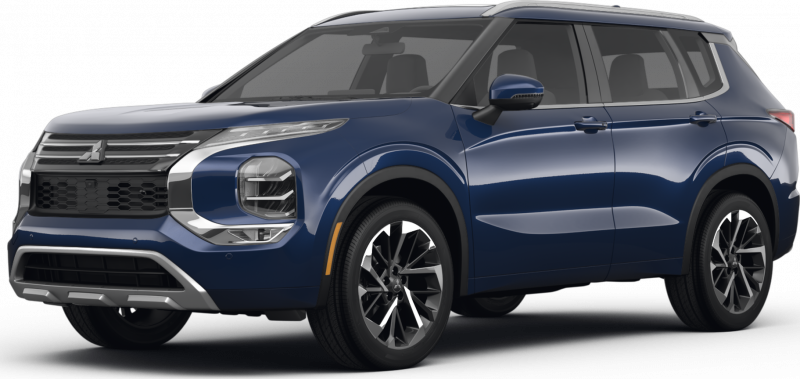
These goals establish the direction for Mitsubishi's future product and business decisions. Current models such as the Mitsubishi Outlander help represent today's lineup, while Momentum 2030 outlines how the brand intends to broaden its vehicle offerings, retail presence, and technology initiatives over the coming years.
How Will Momentum 2030 Expand Mitsubishi's Vehicle Lineup?
One of the most significant parts of Momentum 2030 is Mitsubishi's plan to grow its vehicle portfolio across North America. Mitsubishi Motors North America has announced that two all-new vehicles will enter segments where the company does not currently compete, creating new options for shoppers and broadening the brand's reach.
A simple way to understand the product strategy is to look at the roadmap:
- One new or completely refreshed vehicle is planned each year from fiscal 2026 through fiscal 2030.
- Two all-new vehicles are planned for segments not currently represented in Mitsubishi's lineup.
- The U.S. vehicle lineup is expected to nearly double by fiscal 2030.
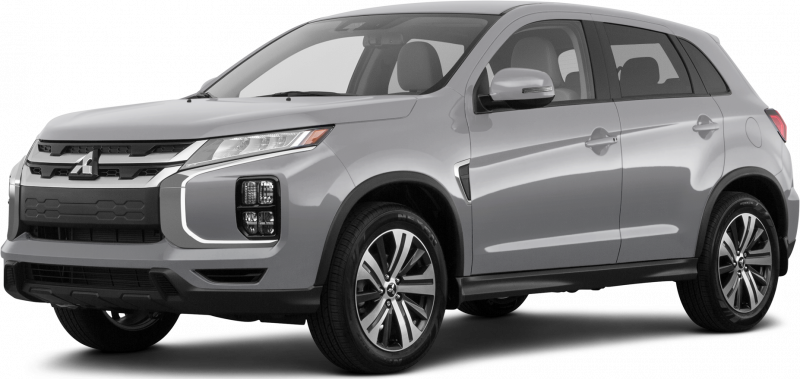
For drivers using a Mitsubishi guide to explore future vehicle choices, this expansion signals a larger and more diverse lineup in the years ahead. Current models such as the Mitsubishi Outlander PHEV, Outlander, and Eclipse Cross provide the foundation for that growth, while upcoming additions are expected to help Mitsubishi compete in more segments than it does today.
How Does Momentum 2030 Support Electrification and New Powertrain Options?
Momentum 2030 takes a broad approach to vehicle electrification rather than focusing on a single type of powertrain. Mitsubishi Motors North America has stated that its future lineup will include a mix of advanced internal combustion engines, hybrids, plug-in hybrids, and battery electric vehicles, allowing the brand to serve a wider range of driving needs and preferences.
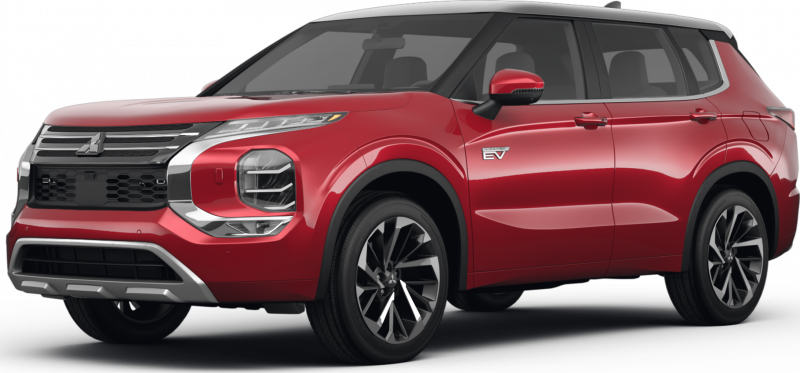
A useful example can be seen in today's lineup. The Mitsubishi Eclipse Cross continues to represent a traditional gasoline-powered option, while the Outlander PHEV showcases Mitsubishi's plug-in hybrid technology with electric driving capability and hybrid operation when additional power is needed. Momentum 2030 builds on this multi-powertrain strategy as the company moves toward fiscal 2030.
For shoppers using a Mitsubishi buying guide, this approach means future Mitsubishi vehicles may offer more choices in how they are powered rather than requiring every driver to transition to the same technology. Mitsubishi Motors Corporation has also established broader goals for increasing electrified vehicle adoption in the years ahead, supporting the long-term direction outlined in Momentum 2030.
What Changes Are Planned for Mitsubishi Dealerships and the Buying Experience?
Momentum 2030 includes plans to modernize how customers shop for, purchase, and own Mitsubishi vehicles. Mitsubishi Motors North America has identified technology and innovation as key parts of its future sales, marketing, and customer satisfaction processes, particularly as newer customers become more technology-oriented.
A comparison helps illustrate the direction of the plan:
- Traditional retail models often rely primarily on in-person interactions and manual processes.
- Momentum 2030 envisions a more technology-focused experience integrated throughout the shopping and ownership journey.
The strategy also reaffirms Mitsubishi's commitment to its dealer partners and the dealership sales model while introducing future retail concepts for upcoming facilities. Rather than replacing dealerships, the goal is to modernize the overall experience.
This focus extends beyond any single vehicle. Whether someone is researching current Mitsubishi information, exploring newer models, or seeking support for a discontinued vehicle like the Mitsubishi Mirage, Momentum 2030 aims to make the ownership experience faster, easier, and more enjoyable through increased use of technology across the customer journey.
Why Is Mitsubishi Expanding Its Dealer Network Across the United States?
Momentum 2030 is not only focused on vehicles and technology. It also includes plans to expand Mitsubishi's retail presence into markets where the company does not currently have a dealership footprint. The goal is simple: make Mitsubishi vehicles more accessible to more customers across the country.
A real-world example helps explain the strategy. Someone searching for a Mitsubishi near Butler may have different dealership access than a customer in a larger metropolitan area. By expanding into additional markets, Mitsubishi aims to bring its products and services closer to more drivers.
This growth initiative is expected to support long-term sales expansion while also increasing investment in people and production across North America. Mitsubishi has also stated that some future vehicles will be produced locally using Alliance assets.
As the lineup grows and evolves, including vehicles such as the Mitsubishi Outlander, a broader dealer network can help support greater availability and access in more regions throughout the United States.
What Does Momentum 2030 Mean for Drivers Considering a Mitsubishi Vehicle?
For shoppers asking, "What is Mitsubishi's 'Momentum 2030' Strategy?", the most practical takeaway is how it may influence future vehicle choices and ownership opportunities. Rather than focusing on a single product or technology, the plan outlines a broader vision for how Mitsubishi intends to grow through fiscal 2030.
Drivers may benefit from several long-term developments:
- A larger selection of vehicles across more market segments.
- More powertrain choices, including internal combustion, hybrid, plug-in hybrid, and battery electric options.
- Expanded access to Mitsubishi vehicles through growth in the dealer network.
- Greater use of technology throughout the ownership experience.
Current vehicles already reflect some of the directions Mitsubishi plans to continue exploring. For example, the Mitsubishi Outlander PHEV combines plug-in hybrid technology with three-row seating for up to seven passengers, while other models within the lineup serve different driving needs and preferences.
For consumers evaluating future transportation options, Momentum 2030 provides a clearer picture of where Mitsubishi intends to invest, expand, and evolve over the remainder of the decade.
Which Mitsubishi model is the best fit for commuting, family driving, towing, or weekend trips?
The Mitsubishi Mirage was designed as a fuel-efficient vehicle for everyday commuting, while the Mitsubishi Outlander offers three rows of seating for up to seven passengers, making it well suited for family driving. The Outlander can tow up to 2,000 lbs., and the Outlander PHEV can tow up to 1,500 lbs. when properly equipped, making both suitable for weekend trips and recreational activities.
How do Mitsubishi Outlander, Mitsubishi Outlander PHEV, and Mitsubishi Eclipse Cross compare on seating, cargo space, efficiency, and available AWD or 4x4 capability?
The Mitsubishi Outlander and Mitsubishi Outlander PHEV both offer seating for up to seven passengers, while the Mitsubishi Eclipse Cross seats five. The Outlander provides up to 64.3 cubic feet of cargo space with the rear seats folded, while the Eclipse Cross offers up to 50.1 cubic feet of cargo capacity. The Outlander PHEV can travel up to 45 miles on electric power alone, and both the Outlander PHEV and Eclipse Cross come with Super All-Wheel Control (S-AWC) available or standard depending on the model.
What safety and driver-assist features should shoppers look for across the Mitsubishi lineup?
Available features across Mitsubishi vehicles include Blind Spot Warning (BSW), Lane Change Assist (LCA), Rear Cross Traffic Alert (RCTA), Rear Automatic Emergency Braking (Rear AEB), Forward Collision Mitigation (FCM), Lane Departure Warning (LDW), Lane Keep Assist, Adaptive Cruise Control with Stop & Go, Traffic Sign Recognition, Multi-View Camera System, and Automatic High Beam (AHB). Feature availability varies by model and trim level.
Which trims or packages add the most useful technology, comfort, or performance upgrades?
For the Outlander PHEV, the SEL Tech Package adds a 10.8-inch Head-Up Display, Dynamic Sound Yamaha Premium 12-speaker audio, a Digital Rearview Mirror with Rear Camera, and Semi-Aniline Leather-Appointed Seating Surfaces. For the Eclipse Cross, the SEL Touring trim adds a Head-Up Display, heated rear seats, an 8-speaker Mitsubishi Power Sound System, and a Power Panoramic Roof, while higher Outlander trims add features such as MI-PILOT Assist, Multi-View Camera System, Power Panoramic Sunroof, and premium audio upgrades.
Explore the Future of Mitsubishi at Universal Mitsubishi
Momentum 2030 outlines a long-term vision for how Mitsubishi plans to grow through expanded vehicle offerings, broader electrification efforts, dealership growth, and a more technology-focused ownership experience. For drivers, that means keeping an eye on how today's lineup evolves as new models, new powertrain options, and new retail concepts arrive in the years ahead.
Whether you're interested in the family-friendly Mitsubishi Outlander, the electrified Mitsubishi Outlander PHEV, the compact Mitsubishi Eclipse Cross, or learning more about the legacy of the Mitsubishi Mirage, understanding Mitsubishi's direction can help you make more informed decisions about your next vehicle.
At Universal Mitsubishi, we're proud to serve drivers throughout Sherman Oaks, Encino, and Studio City with a wide selection of Mitsubishi vehicles, expert service, genuine parts, and financing solutions designed to fit a variety of needs. If you'd like to learn more about the Mitsubishi lineup or discuss your options with our team, visit Universal Mitsubishi or contact us today.
Looking for more automotive insights? Continue exploring topics like used luxury cars, reliable used SUVs, and Outlander SUV comparison to discover additional information that can help guide your vehicle search.
Contact Universal Mitsubishi
Get Directions to Universal Mitsubishi
Disclaimer: All information is provided for general informational and entertainment purposes only. While we strive for accuracy, we cannot guarantee that all content is complete, current, or error-free. Any reliance you place on such information is strictly at your own risk. This article may include opinions and is not endorsed by, or officially affiliated with, any vehicle manufacturer or brand. Always consult official sources – such as the vehicle’s owner’s manual, authorized dealerships, or certified professionals – for the most up-to-date and personalized information.